
01
Store it
Rainwater stored for ready use in containers above or below the ground — for washing, flushing, gardening and more.
Chennai's rainwater harvesting experts · 10+ years
We provide the best rainwater harvesting consulting and installation — systems that store rain for ready use, or charge it back into the soil to raise your groundwater level.
About ARS
More about usWe have been providing special rainwater harvesting services for over 10 years. Broadly, rain can be harvested in two ways — stored for ready use, or charged into the soil for withdrawal later.
Rainwater stored for ready use in containers above or below the ground — for washing, flushing, gardening and more.
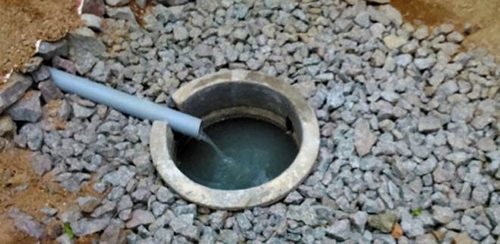
Rain charged into the soil for withdrawal later — groundwater recharging that helps raise the water level in your wells and borewells.
10+
Years of experience in rainwater harvesting
7
Components in a complete harvesting system
2
Ways to harvest — store it or recharge it
Free
Consultation from our experts
How it works
A rainwater harvesting system has components for every stage — carrying rain through pipes or drains, filtering it, and storing it in tanks for reuse or recharge. Scroll to follow the water.
The surface that directly receives the rainfall and feeds the system. It can be a paved area like a terrace or courtyard, or an unpaved area like a lawn or open ground. Roofs of reinforced cement concrete (RCC), galvanised iron or corrugated sheets can also be used.
Fitted at the roof to prevent the passage of debris, so leaves and dirt are stopped before they reach the pipes.
Channels around the edge of a sloping roof that collect rainwater and carry it towards storage. Gutters can be semi-circular or rectangular, made from:
Pipelines or drains that carry rainwater from the catchment or rooftop to the harvesting system — usually commonly available PVC or galvanised iron (GI).
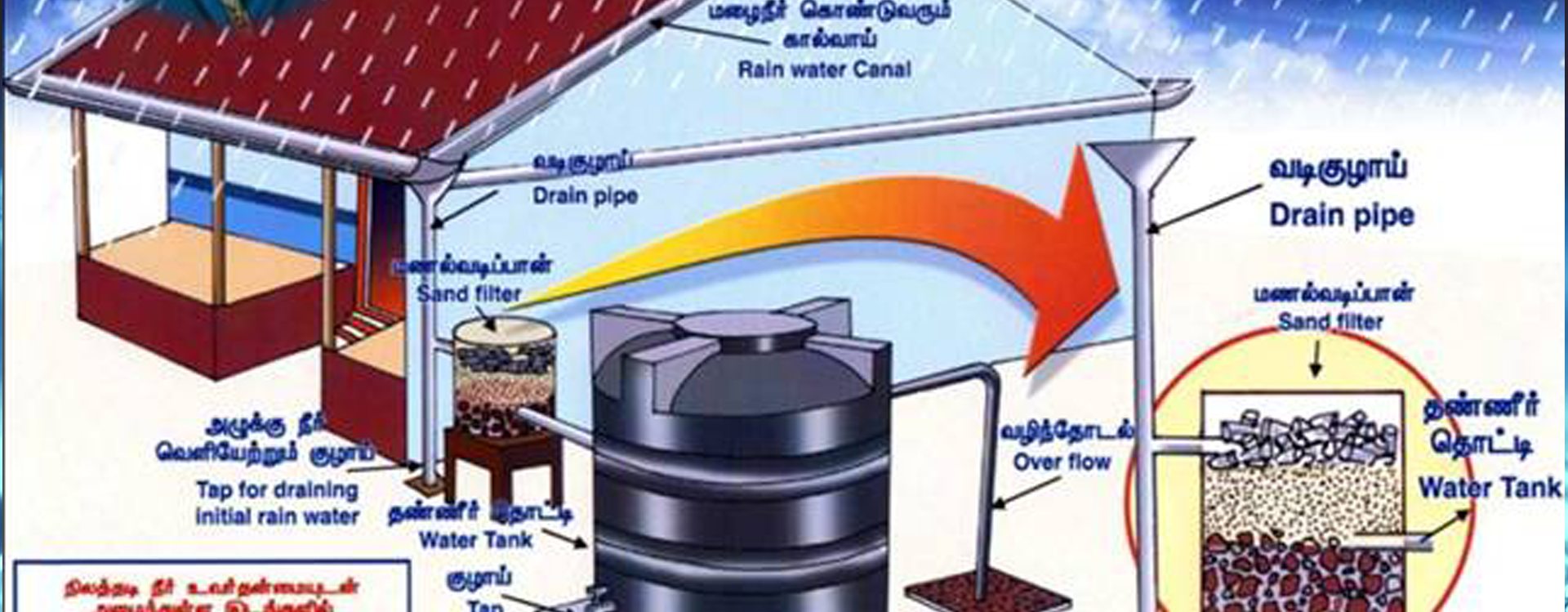
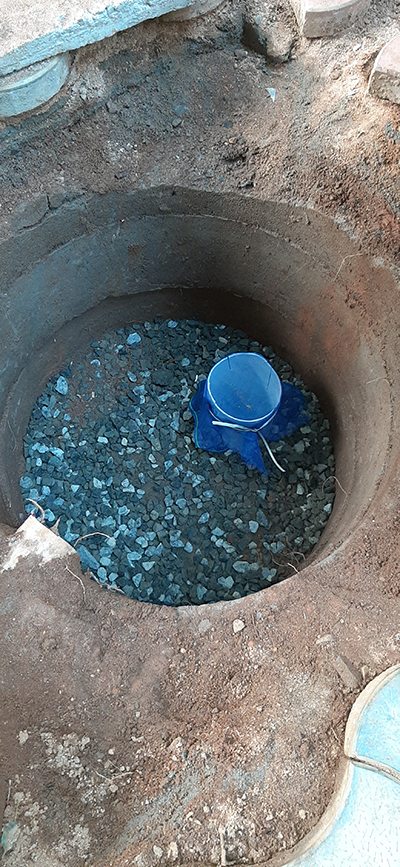
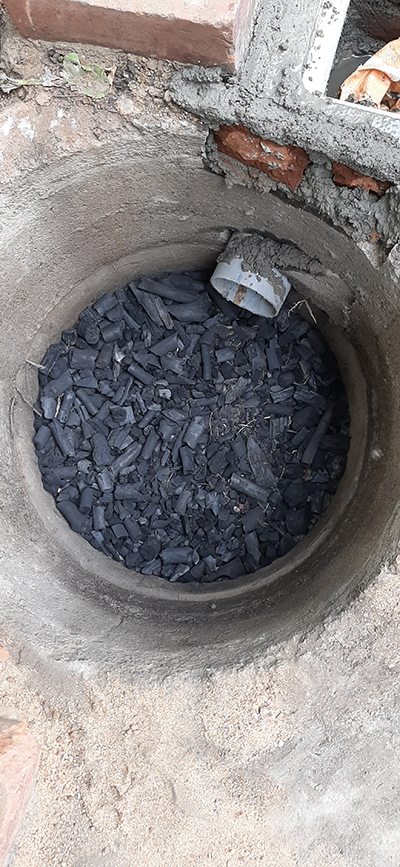
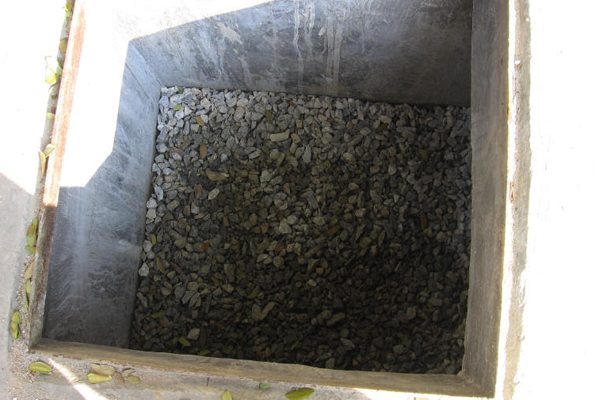
Removes suspended pollutants from rooftop rainwater. A chamber of fibre, coarse sand and gravel layers traps debris and dirt before the water enters the tank or recharge structure — with charcoal added for extra filtration.
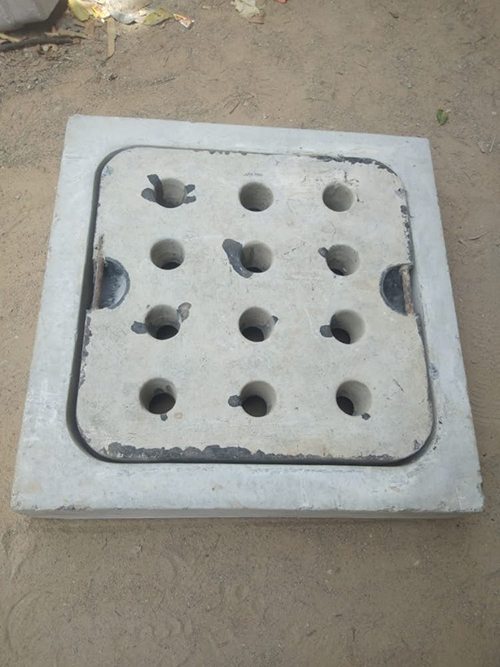
Tanks or sumps that hold the filtered water for reuse, built in a wide range of shapes, sizes and materials to suit your site.
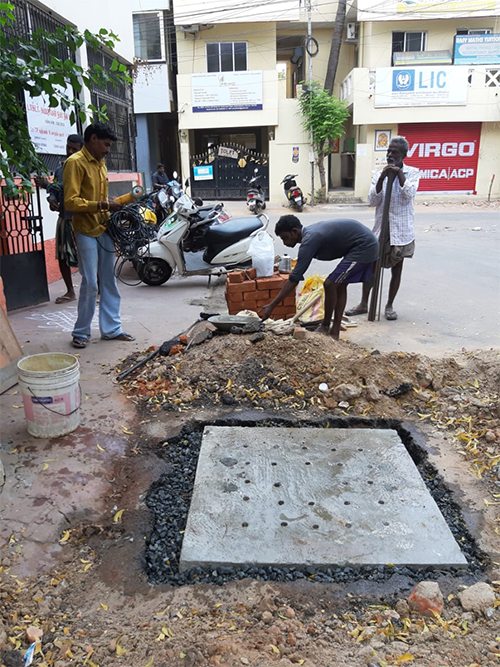
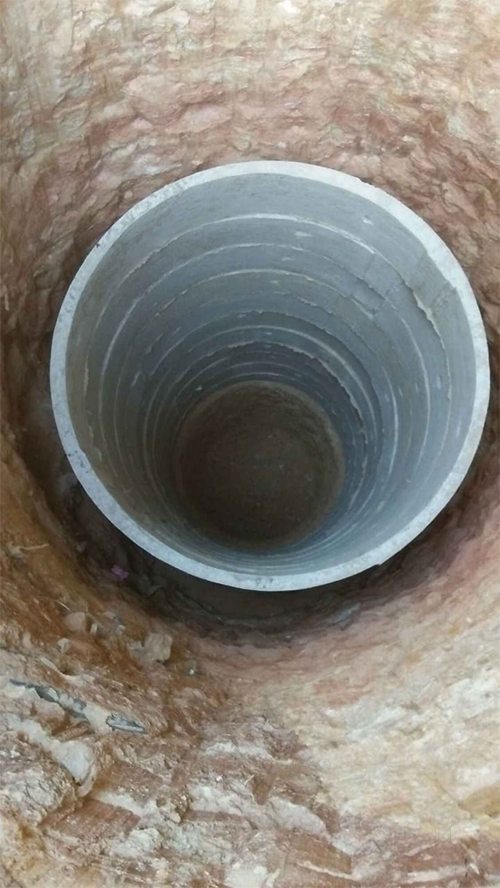
Rainwater is charged into groundwater aquifers through dugwells, borewells, recharge trenches and recharge pits. Existing wells, pits and tanks can often be modified as recharge structures — no need to build afresh.
What are you looking for?
Rain is our primary source of water. Harvesting it secures water for your home or building — and gives back to the ground beneath it.
Talk to an expertIn areas where the groundwater supply is inadequate, or surface resources are lacking or insufficient, rainwater harvesting offers an ideal solution.
01It keeps runoff from going into sewers and storm drains, reducing the load on treatment plants.
02Holding rain where it falls, instead of letting it rush into streets and drains, helps reduce flooding in the city.
03Recharging water into the aquifers helps improve the quality of existing groundwater through dilution.
04See the system
These diagrams show how rainwater moves from the roof into storage — and back into the ground.
Rooftop to tank. Rain from the roof runs along the canal and down the drain pipe, through a sand filter and into the water tank. A tap drains the initial rain water, and the overflow is led away — labelled in Tamil and English.
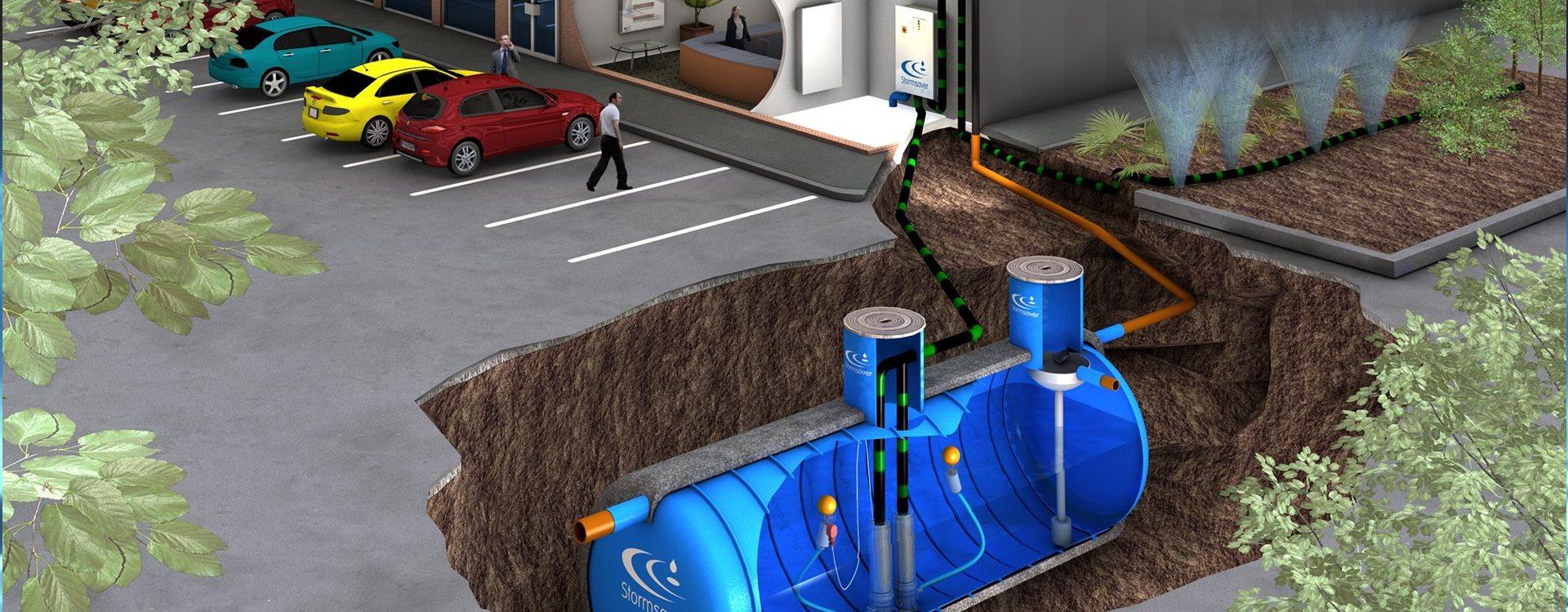
Underground storage. Harvested rain is piped into a tank below the ground, from where it can be pumped back for uses like garden irrigation.
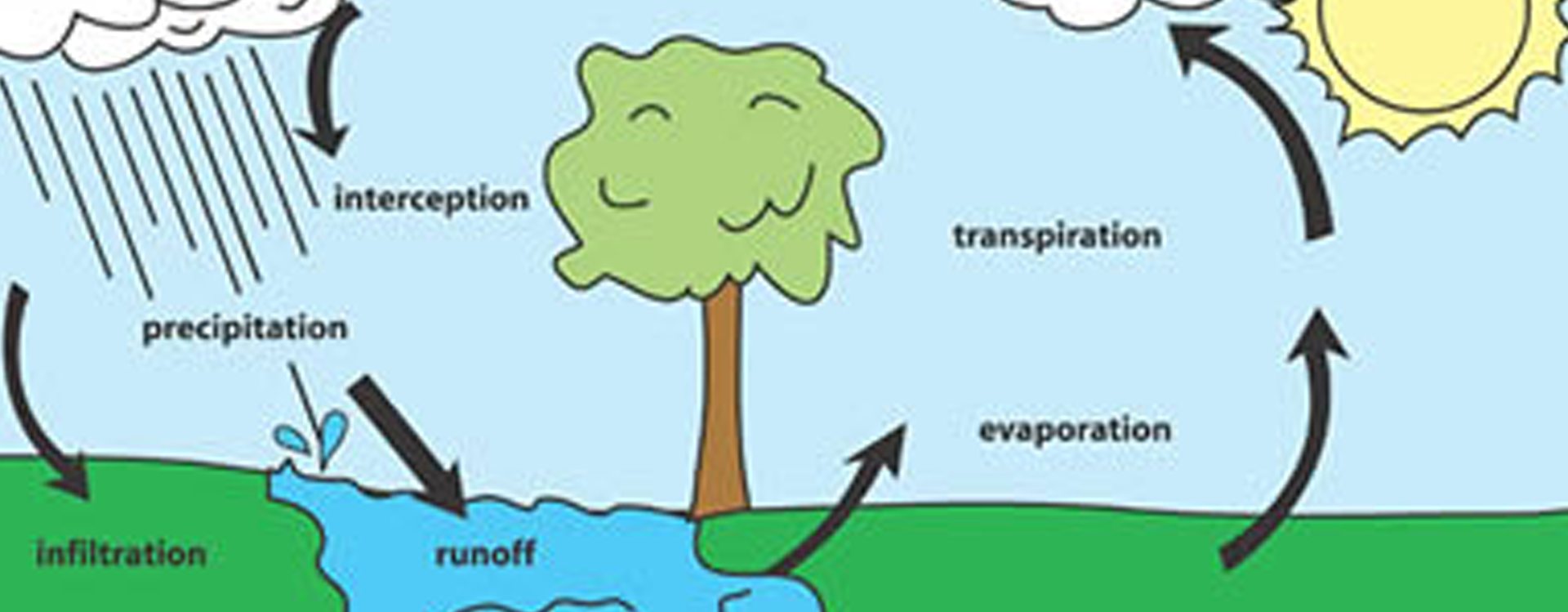
The water cycle. Rain either soaks into the ground or runs off. Harvesting captures that runoff so more of it can return to the ground.
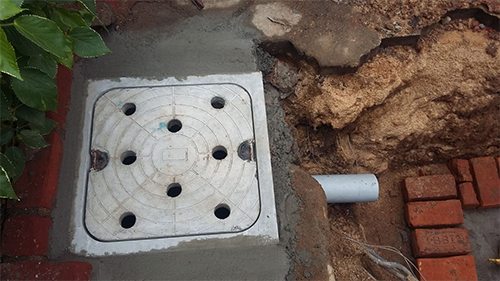
From our sites
Scroll to explore our installations
Our clients say
“Excellent customer support!”
“Prompt service.”
We are always ready
Share your details and our experts will call you back with a free consultation on the right rainwater harvesting system for your building.